
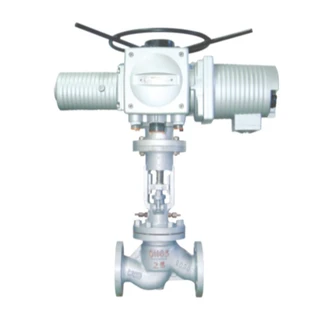
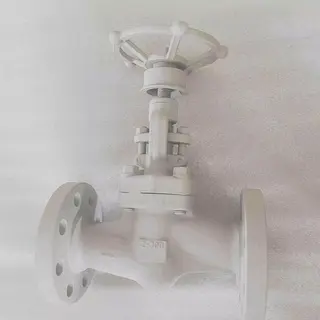
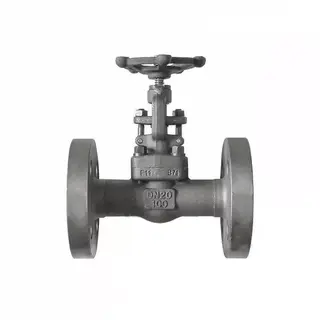
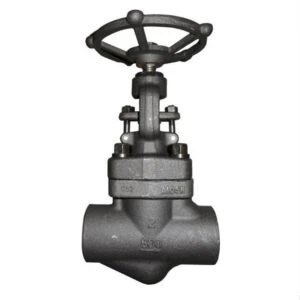
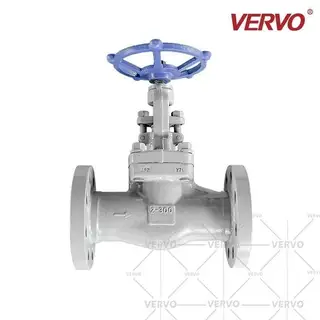
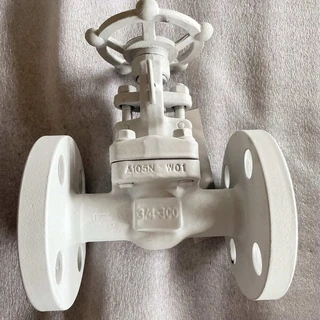
Rising Stem Globe Valve, Water-sealed, DN65, PN25, WCB, RF
Key Specifications / Features
Detail Information
Valve description:
Water-sealed Globe valve, bolted bonnet, Raised flange, Rising stem.
Design: GB/T 12235-2007.
Body: ASTM A216 WCB
Nominal size: DN150
Nominal class: PN25.
End Connection: RF.
Operation: Handwheel
Face to face: GB/T 12221.
Test and inspection: JB/T 9092-1999.
Product Range:
Body material: Carbon Steel.
Normal diameter: 2 - 32 Inch (DN50 - DN800).
End connection: BW, Flange.
Pressure range: Class 150 - 600 LB (PN16 - PN100).
Working temperature: -29℃ - +429℃.
Technical parameters and characteristics
| Product | Water-sealed Globe valve. |
| Nominal diameter | DN50 - DN800. |
| Design temp. | Down to -29℃. |
| Design pressure | PN16 - PN100. |
| Material | Carbon Steel. |
| Design standard | GB/T 12235-2007. |
| Face to face | GB/T 12221. |
| Operation | Gear, handwheel |
| Connection end | BW, Flange. |
| Test standard | JB/T9092-1999. |
| Package | Plywood |
| Application | The oil and steam, water |
Send your message to this supplier
FAQs
What is a Non-Rising Stem Gate Valve?
A valve where the stem does not move vertically but rotates internally to raise or lower the gate. This design is ideal for installations with limited vertical space.
How Does a Non-Rising Stem Gate Valve Work?
The handwheel turns the stem, which in turn moves the gate up or down inside the valve body without changing the external height of the stem.
How Does a Rising Stem Gate Valve Work?
The handwheel lifts the stem and gate together, providing a visual indication of whether the valve is open or closed.
Which Valve Should I Choose?
Use a rising stem valve for above-ground applications where visibility and ease of maintenance are important.
Use a non-rising stem valve for underground or space-limited installations.
Conclusion
The choice between rising stem and non-rising stem gate valves depends on your specific application needs. For clear valve status indication and easy maintenance, go with a rising stem valve. For compact installations, a non-rising stem valve is the better option.
Similar Products
Related Searches
Products you might also like

Source: https://www.vervovalve.com/rising-stem-globe-valve-water-sealed-dn65-pn25-wcb-rf.html