
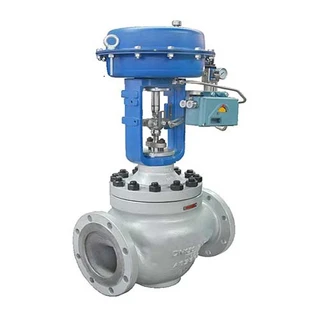
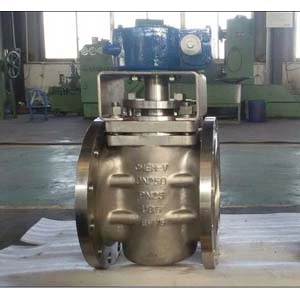
Non-Lubricating Globe Control Valve, 1-4 IN, 150-600 LB, WCB
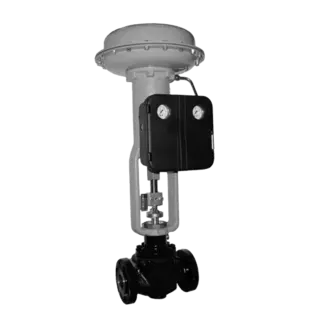
Key Specifications / Features
Detail Information
Product Name: Cage-guided Globe Control Valves
Key Features: Cage-guided, Non-lubricating, Globe Style
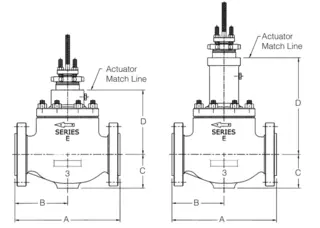
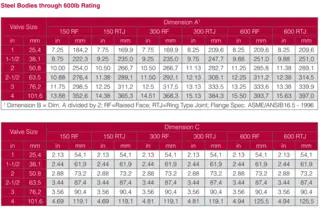
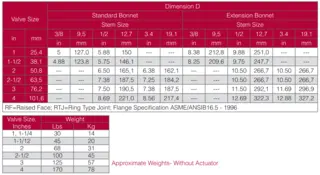
Size Range: 1 Inch - 4 Inch, DN25-DN100
Pressure: Class 150 LB - 600 LB
Body Materials: ASTM A352 LCC, ASTM A216 WCB, WCC, ASTM A217 WC9, C5, Monel, ASTM A351 CF8M SST.
Trim Materials:
Standard Material: Stainless Steel, SS 316.
Optional Material: Alloy 6, Cobalt, Tungsten Carbide.
Seats: Metal and TFE
Shutoff: Class IV & V
Flow Characteristics:
Linear
Quick Opening
Equal Percentage
Noise Abatement
Anti-Cavitation
Flow Direction: Flow Up Through the Seat Ring.
Features & Benefits
1. Offers characterized flow options such as equal percentage, linear, and quick opening.
2. Available in various body and trim materials to suit diverse applications.
3. Features quick-change trim for easy maintenance.
4. Optional NACE MRO 175 / ISO 15156-2009 for sour service capability.
5. Ensures tight shutoff for reliable operation.
Send your message to this supplier
FAQs
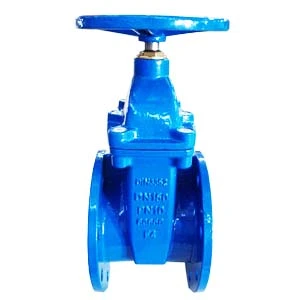
What is a Non-Rising Stem Gate Valve?
A valve where the stem does not move vertically but rotates internally to raise or lower the gate. This design is ideal for installations with limited vertical space.
How Does a Non-Rising Stem Gate Valve Work?
The handwheel turns the stem, which in turn moves the gate up or down inside the valve body without changing the external height of the stem.
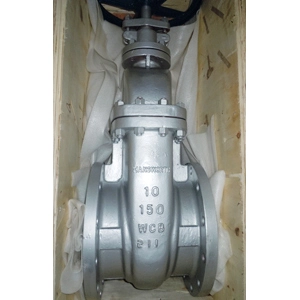
How Does a Rising Stem Gate Valve Work?
The handwheel lifts the stem and gate together, providing a visual indication of whether the valve is open or closed.
Which Valve Should I Choose?
Use a rising stem valve for above-ground applications where visibility and ease of maintenance are important.
Use a non-rising stem valve for underground or space-limited installations.
Conclusion
The choice between rising stem and non-rising stem gate valves depends on your specific application needs. For clear valve status indication and easy maintenance, go with a rising stem valve. For compact installations, a non-rising stem valve is the better option.
Similar Products
Related Searches
Products you might also like



- https://www.cncontrol.cn/
- Address: Yongjia, Wenzhou, Zhejiang, P. R. China
- Phone: 86 577
- Business Type: Industry & Trading , Manufacturer
Source: https://china-control-valves.com/non-lubricating-globe-control-valve-1-4-in-150-600-lb-wcb.html