
The Main Maintenance Methods for Gate Valves
What Are The Maintenance Methods for Gate Valves? How to Extend The Service Life of Gate Valves?
What are the maintenance methods for gate valves? How to extend the service life of gate valves? As an important industrial equipment, gate valves play a crucial role in daily work, ensuring the normal operation of pipeline systems. By taking maintenance measures such as regular inspection, cleaning, lubrication, sealing inspection, and switch operation, the service life of gate valves can be effectively extended. In addition, reasonable material selection, avoidance of overload work, and precise operation during installation are also key factors in extending the lifespan of valves. Only by doing these maintenance work well can we ensure that the gate valve is always in the best working condition, providing guarantees of production safety and efficiency.
1. Working principle and common problems of gate valves
A gate valve is a type of valve that controls fluid channels by vertically moving the gate plate inside the valve body. Its working principle is based on opening or closing the pipeline by adjusting the height of the gate, which has a good cutting effect. When the gate valve is opened, fluid enters the pipeline through the valve body. When closed, the gate completely seals the fluid channel, preventing fluid flow.
Common issues with gate valves include the following tips.
(1) Poor valve sealing: due to wear or blockage by dirt on the sealing surface of the valve, the sealing may not be tight, which may cause leakage.
(2) Difficulty in operation: excessive resistance when the valve is opened or closed is usually due to corrosion or wear of the valve stem or seat.
(3) Valve stuck: Long term disuse or use in harsh environments may cause the valve to get stuck and unable to open or close properly.
2. Routine maintenance methods for gate valves
Regular maintenance is very important to ensure the normal use of gate valves and extend their service life. Here are some common maintenance methods.
(1) Regular inspection and cleaning: Regular inspection of gate valves is the foundation for ensuring their normal operation. The inspection includes checking the appearance of the valve, valve stem, sealing surface, valve body, and valve connection parts for any damage, rust, or leakage. The cleaning work mainly involves removing the accumulated dirt, sediment, and rusted parts on the valve to avoid blockage or corrosion.
(2) Lubricating valve stem: The valve stem of a gate valve is prone to wear and tear due to friction during use, so regular lubrication is required. Suitable lubricating oil is usually applied to the connection between the valve stem and valve body to reduce wear and ensure smooth valve operation. Lubrication can prevent the valve stem from getting stuck, especially in extreme environments.
(3) Check the sealing surface: The sealing surface of the gate valve is one of the key parts, and long-term use can cause wear or scaling, affecting the sealing effect. Regularly check whether the sealing surface is flat, whether there are cracks or wear. If any problems are found, it is necessary to repair or replace the sealing surface in a timely manner to avoid leakage caused by poor sealing.
(4) Regular on-off operation: When the gate valve is not used for a long time, it is easy to cause the valve to get stuck. Therefore, regular valve operation, especially in the case of long-term shutdown, should be carried out at least once every three months to ensure the normal operation of the valve and avoid jamming caused by sedimentation or corrosion.
(5) Check the connection part of the valve: If the connection part between the valve and the pipeline is loose or leaks, it will affect the overall performance of the gate valve. It is recommended to regularly check whether the connecting bolts and nuts are loose, and reinforce or replace them if necessary.
(6) Replace worn parts: Over time, the sealing ring, valve stem, and other components of the gate valve may experience wear and tear. Regularly inspect these components and replace them promptly if any problems are found. When replacing components, choose parts that match the original valve model to ensure that valve performance is not affected.
(7) Corrosion prevention and rust prevention: Gate valves are usually placed in damp or highly corrosive environments, and long-term use can easily lead to corrosion. Regularly cleaning the surface of the valve and applying rust proof oil or anti-corrosion agents can effectively reduce the corrosion of the valve and extend its service life.
3. Other measures to extend the service life of gate valves
In addition to regular maintenance, the following aspects are also important measures to extend the service life of gate valves.
(1) Correct selection of valve materials: Choose suitable valve materials according to different working environments and media. For example, pipeline systems for chemical media should use gate valves made of corrosion-resistant materials to improve their corrosion resistance.
(2) Avoid overload operation: Gate valves should avoid overload operation during use, especially under conditions of excessive pressure or flow, which can accelerate valve wear.
(3) Reasonable installation: It is recommended that the installation of valves should strictly follow the design requirements to ensure that their installation position is appropriate and avoid damage caused by improper installation.
Send your message to this supplier
Related Articles from the Supplier

The Main Maintenance Methods for Gate Valves
- Aug 08, 2025
The Proportion of Valve Continue Growing
- Feb 29, 2016
How to Dig the Potential of Valve Industry
- Aug 28, 2014
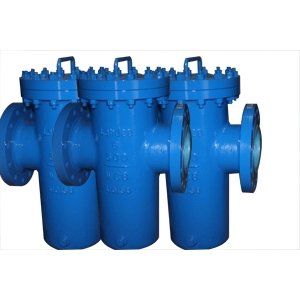
The Basket Strainer
- Nov 09, 2015
Related Articles from China Manufacturers

The Main Reason for Noise of Pressure Relief Valve
- Aug 30, 2016

The Main Development Direction of Ceramic Fiber
- Dec 24, 2015
What Are the Main Properties of Plastic Mold?
- Feb 22, 2017
The main uses of welded steel pipes
- Aug 31, 2023
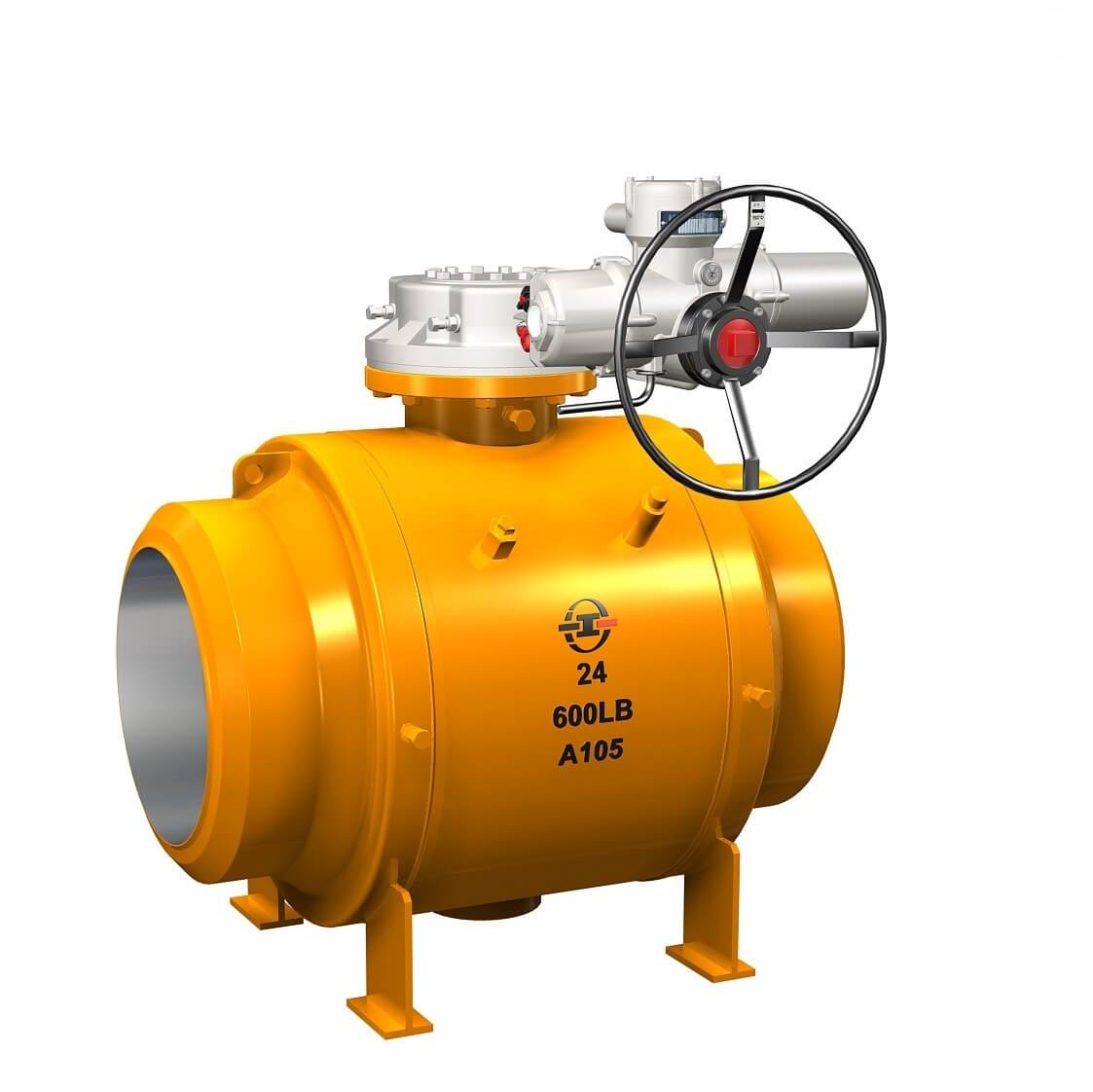
Related Products Mentioned in the Article

XIAMEN LANDEE INDUSTRIES CO., LTD.
- https://www.landee.cn/
- Address: NO. 321 JIAHE ROAD, XIAMEN, P.R.CHINA 361012
- Phone: 86-592-5204188
- Business Type: Trading, Manufacturer,
Supplier Website
Source: https://www.landeevalve.com/the-main-maintenance-methods-for-gate-valves.html